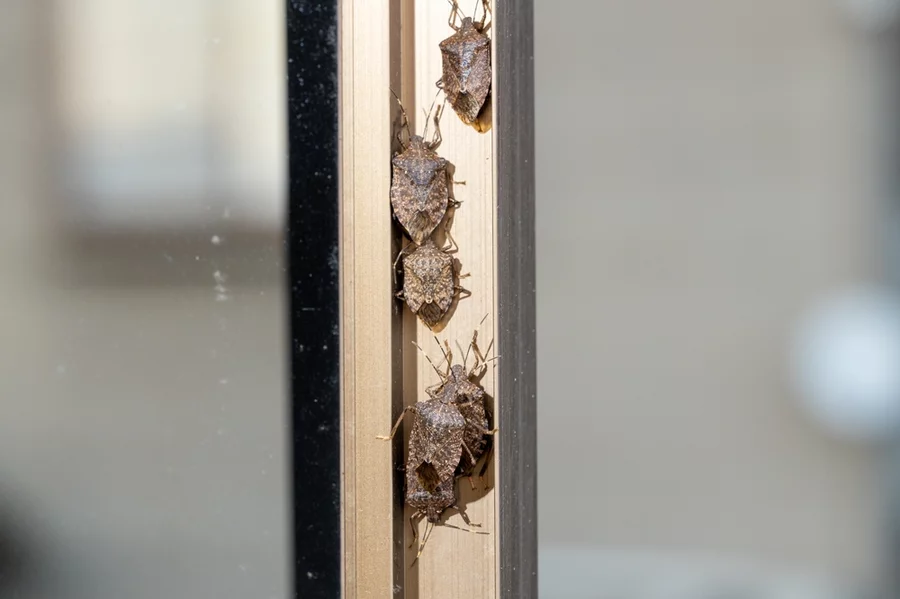
TL;DR: Small bugs in house problems don't usually start outside. They start with everyday habits, like a bowl of overripe fruit, a gunky drain, or a plant that gets watered a little too often. Here's what's really inviting them in, and how to break the habit.
- Most small bugs in house infestations come from fruit flies, drain flies, fungus gnats, and phorid flies breeding in moist, decaying organic matter indoors, so the source is usually closer than you think.
- A fruit fly can grow from egg to adult in less than a week, so a small problem becomes a big one fast.
- Sprays knock down adults, but cleaning up the breeding site is what actually ends the problem.
- Texas heat and humidity give small bugs a head start all year long.
- If they keep coming back, a professional pest control company can find what you can't.
You keep a clean house. You wipe the counters, take out the trash, and run the dishwasher. So why are tiny flies drifting around your kitchen like they pay rent?
Here's the honest truth: you're probably not doing anything wrong on purpose. The habits that attract small bugs are the ones that feel completely normal, like leaving the fruit bowl out, skipping the drain, or propping the back door open on a nice day. Let's walk through what's really going on.
What Household Habits Attract Bugs?
Bugs need three things: food, moisture, and a way in. Nearly every habit that attracts them gives them at least one of the three. These are the most common.
1. Letting Overripe Fruit Sit Out
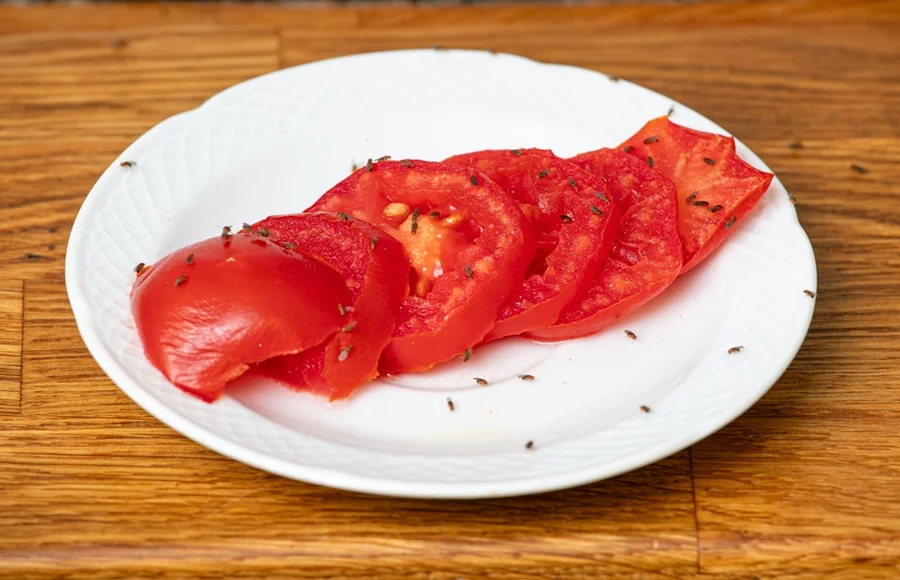
This is the classic. According to Texas A&M AgriLife Extension, fruit flies are strongly attracted to fermenting fruit and liquids, and they can develop from egg to adult in under a week. Overripe produce can carry eggs and larvae even when you don't see any adults.
That includes the last splash of soda, juice, or wine in a glass left on the counter.
Break the habit: Refrigerate ripe produce, toss anything bruised or mushy, and inspect fruit and vegetables when you bring them home from the store or farmers market.
2. Ignoring Slow, Gunky Drains
Drain flies lay eggs in drains and garbage disposals. Their larvae feed on the slimy film that builds up inside the pipe. A drain that looks fine on top can still be a nursery below.
Dry drains are a problem too. Infestations can point to a dry drain trap, so run water in rarely used sinks, tubs, and floor drains to keep the trap full.
Break the habit: Scrub drains regularly. University of Georgia Extension points out that pouring bleach down the drain doesn't help, and that a brush to remove the residue does.
3. Overwatering Houseplants
Soggy potting soil breeds fungus gnats. These tiny, mosquito-like flies live in damp soil and decaying organic matter. Plants tend to get overwatered in fall and winter, which is when gnat populations climb.
Break the habit: Let the soil dry out between waterings, and empty saucers so water doesn't sit around and attract small tiny bugs in house.
4. Letting Trash, Recycling, and Residue Linger
An uncovered trash can, an unrinsed soda can, or a sticky spot under the kitchen trash bin is an open invitation. Rinse containers before recycling them and don't them sit for more than a week.
Trash and pet waste also draw house flies, which can find their way in fast.
Break the habit: Use liners, empty the kitchen trash before it gets ripe, wipe the bottom of the can, and keep outdoor bins as far from your door as practical.
5. Leaving Doors and Windows Open
Fresh air feels great, but it's also a welcome mat for flying insects. Torn screens, gaps under doors, and worn weatherstripping do the same job without you noticing.
Break the habit: Repair screens, add door sweeps, and replace cracked weatherstripping.
6. Letting Moisture Hang Around
A slow leak under the sink, a damp sponge, or a mop that never fully dries all create breeding grounds. Fix plumbing leaks, eliminate standing water, and dry mops.
Break the habit: Wring out sponges, hang mops to dry, and fix drips quickly.
7. Bringing Bugs Home With You
Produce and potted plants can arrive with passengers. Inspect incoming fruit and vegetables for fruit flies... overripe produce is the most suspect.
Break the habit: Give new produce and plants a quick look before they go on the counter or windowsill.
How to Identify Small Bugs in House Problems
Before you treat anything, figure out what you're dealing with. The right fix depends on the bug.
| Bug | What it looks like | Where to look |
|---|---|---|
| Fruit flies | Gnat-sized, tan body, red to brown eyes | Fruit, drinks, trash, anything fermenting |
| Drain flies | Fuzzy and moth-like, wings held roof-like over the body | Walls near sinks, tubs, and drains |
| Fungus gnats | Slender, long-legged, mosquito-like | Potted plants and damp soil |
| Phorid flies | Dark brown with a humped back; they run rather than fly | Drains, garbage, damp or rotting material |
A simple test: If you suspect drain flies or phorid flies, tape a piece of duct tape over the drain overnight and check it the next day. If flies are stuck to it, you've found the source.
One caution: if you see small flying bugs near windows after rain, and especially if you find shed wings on the sill, those could be winged ants or termites. Don't guess. Call someone to take a look.
Most of these small flies don't bite, though they can move bacteria around where they've been breeding. That's reason enough to track them down.
Why Do I Keep Getting Small Bugs in My Kitchen?
Your kitchen has everything bugs want: food, moisture, and warmth. The bigger issue is that the part you see is the smallest part. Adults are flying around, but the eggs and larvae are hidden in places you can't easily check. These include several key hiding spots: spilled or spoiled produce, poorly maintained garbage containers, buildup around drains, grout, and broken tiles, and wet areas under and behind appliances.
That's why swatting or spraying often feels like a losing game. You kill the adults, a new generation emerges, and the cycle repeats. Texas A&M notes that pesticides rarely provide long-term control of small flies and mainly knock down adults.
Check these spots, in this order:
- The fruit bowl and pantry (potatoes and onions count)
- The trash can, including the bottom
- The kitchen drain and disposal
- Under the fridge and dishwasher
- Sponges, dishrags, and mops
- Recycling bins
- Houseplants and pet bowls
Does Leaving Lights On Attract Bugs?
Partly, yes, but it's not the main culprit indoors.
Outdoor lights, especially bright, cool-white, or UV-heavy ones, pull night-flying insects toward your home. Once they're clustered around your door, they slip inside every time it opens. Indoor lights shining through windows can draw insects to the glass, too. But light only gets them to your door. Food and moisture are what get them to stay.
The type of bulb matters. Field experiments published in Ecology and Evolution found that LED lights attracted significantly fewer insects than traditional filament and compact fluorescent bulbs.
Simple fixes:
- Switch exterior bulbs to LEDs.
- Move fixtures a few feet away from doors where you can.
- Close blinds at night.
- Use motion sensors so lights aren't on all night.
Small Bugs in House Texas Homeowners Deal With Year-Round
If it feels like your "small bugs in house Texas" searches never slow down, it's because the conditions never really do. Houston-area warmth and humidity mean fruit flies, drain flies, and gnats can breed nearly all year. There's no real off-season.
Pests don't leave in winter either. They move in, as we explain in our guide to winter pests hiding in your home. Overwatered plants and damp corners can keep small flies going when you'd expect them to be gone.
How to Get Rid of Small Flying Bugs in House Problems
Here's how to get rid of small flying bugs in house settings for good, not just for a few days:
- Find the source. Use the checklist above. Remove anything overripe, rotting, or damp.
- Clean the drains. Scrub them with a brush. Don't rely on bleach.
- Trap the adults. To get rid of fruit flies still buzzing around, try traps baited with vinegar, juice, or soft drinks. Use them as a backup, not the main plan.
- Dry things out. Fix leaks, let plant soil dry, and keep traps full of water in rarely used drains.
- Repeat and recheck. Follow up about a week after treatment, because populations can bounce back quickly.
If the flies persist even after you've cleaned thoroughly, the problem may be hidden. Chronic phorid fly infestations can point to a broken underground sewage line, which needs a plumber.
How Do I Bug-Proof My House?
Bug-proofing is mostly about closing doors, literally and figuratively. Build these into your routine:
- Seal entry points. Caulk gaps around pipes, windows, and doors. Add door sweeps and repair screens.
- Store food smartly. Keep produce refrigerated when ripe and pantry items sealed.
- Clean as you go. Wipe spills, rinse recyclables, and empty the trash regularly.
- Scrub drains regularly. And run water in unused ones.
- Fix moisture problems. Leaky pipes, damp cabinets, and standing water all invite pests.
- Go easy on the plants. Water only when the soil needs it.
- Manage the outdoors. Keep gutters clear, avoid standing water, and place trash bins away from entrances.
- Upgrade your lighting. Use LED bulbs and keep fixtures off the door frame.
When to Call a Professional Pest Control Company
Some small bugs in house situations are easy to handle yourself. Others aren't. It's time to call a professional pest control company if:
- The bugs keep returning after a couple of weeks of cleaning
- You can't find the source
- You see winged insects with shed wings near windows
- You suspect a plumbing issue or moisture problem you can't reach
- You'd just rather have it handled
At Meridian, we start with a careful inspection and explain what we find in plain language. We use family- and pet-safe methods, seal entry points, and correct the moisture issues that keep bugs coming back. And if the real culprit is a plumbing problem, we'll tell you honestly and point you in the right direction. No upselling, no pressure.
We serve homeowners across Houston, Sugar Land, Katy, Cypress, The Woodlands, and Corpus Christi. Stop small bugs before they start with our pest control services.